
Española giant tortoise
Chelonoidis hoodensis
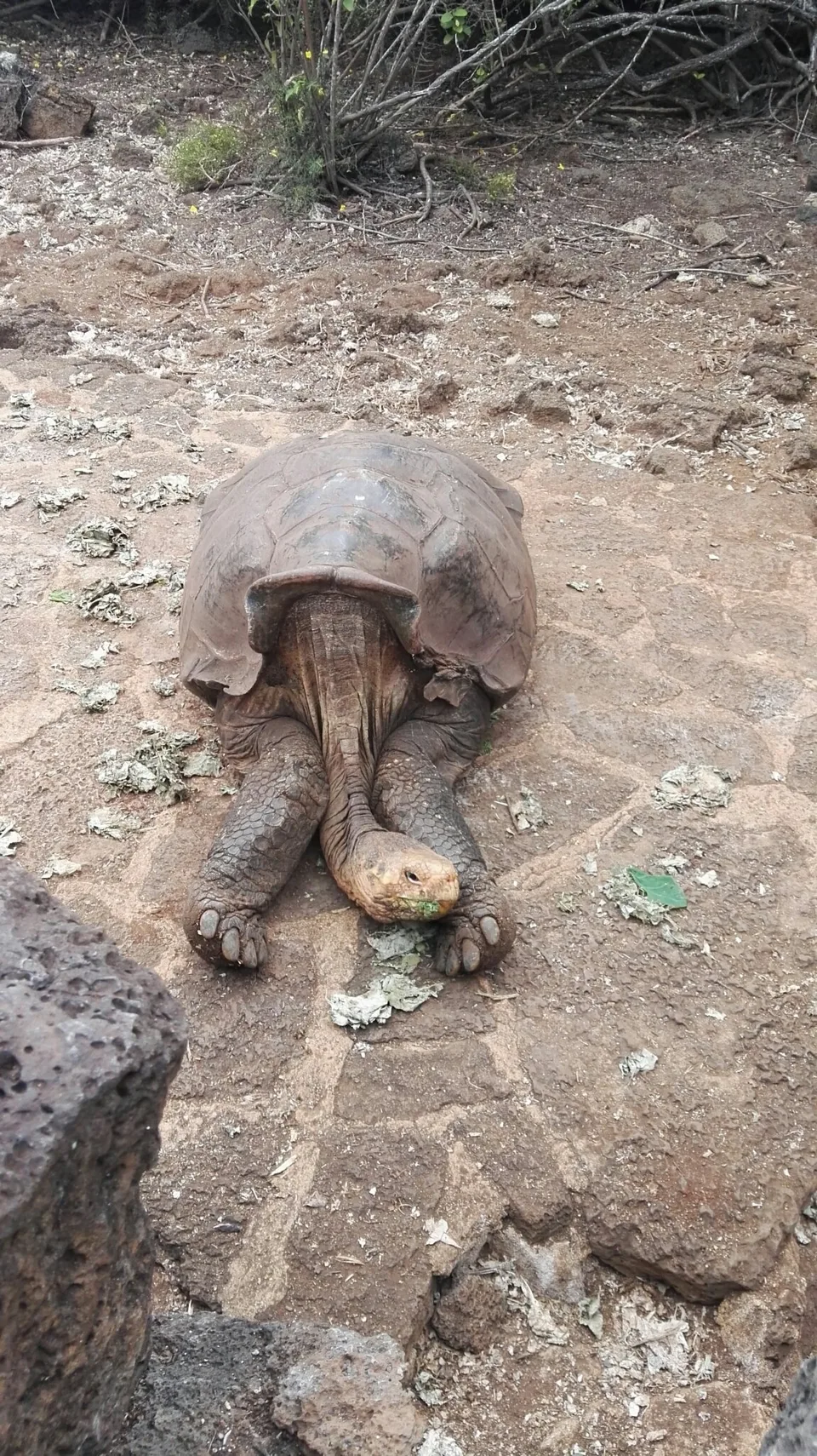
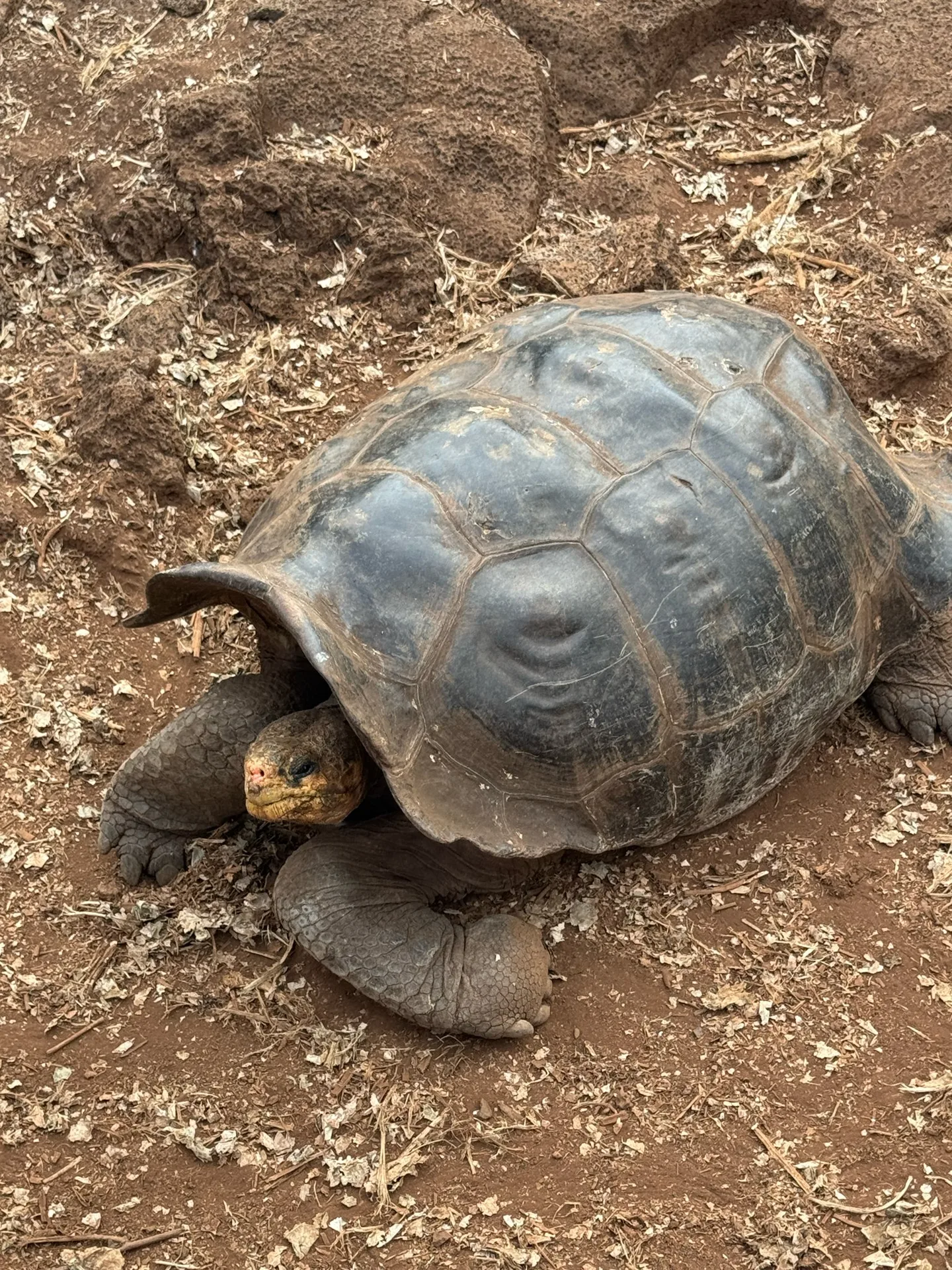
A giant tortoise with a saddle-shaped shell, from one small, dry island in the Galápagos.
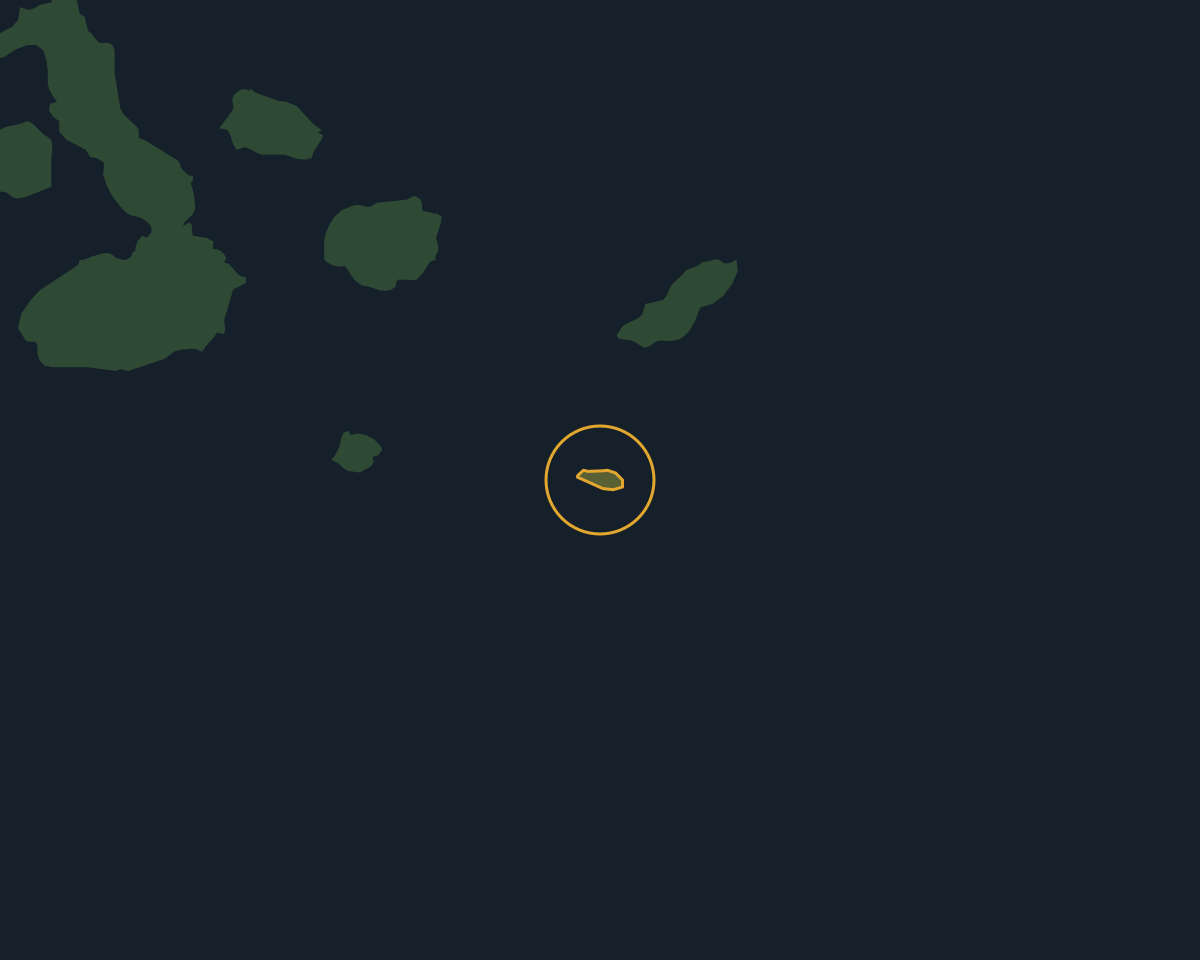
Española, Galápagos Islands, Ecuador. Búscalo en nuestro mapa del mundo
¿Sabías que…?
Its shell is shaped like a saddle, the kind found on tortoises from small, dry islands.1
It eats grasses, shrubs and prickly pear cactus.1
A giant tortoise can go for months without food or water.1
In the 1960s only 14 were left on the island. Today there are around 1,000.2
One of the fathers of the new tortoises, named Diego, came home from the San Diego Zoo.2
Quiénes están ayudando
Goats brought to the island once ate the plants the tortoises need. The goats are gone now, and tortoises raised by people have been returned home.
Noticias
- Researchers Weigh Tortoise Reintroduction to Restore Pinta Ecosystem (se abre en una pestaña nueva)
Scientists are studying whether giant tortoises could help Pinta Island's plants grow back the way they did before Lonesome George's kind was lost.
- A Homecoming for Floreana (se abre en una pestaña nueva)
Giant tortoises are back on Floreana Island after more than 180 years, using the same kind of breeding plan that saved the Española tortoise.
Las elegimos y revisamos cada mes. Las noticias enlazadas están en inglés.
Fuentes
Créditos
Foto: Clari (clara_obando), via iNaturalist. Foto: Naji Love, via iNaturalist. Distribución dibujada a mano a partir de mapas de distribución publicados.